Dasha & Timing
Rudraksha Calculator by Date of Birth — Which Mukhi, From Your Lagna
Free from your birth chart — the mukhi, the planet it supports, and the beads you can safely skip.
Free from your birth chart — the mukhi, the planet it supports, and the beads you can safely skip.
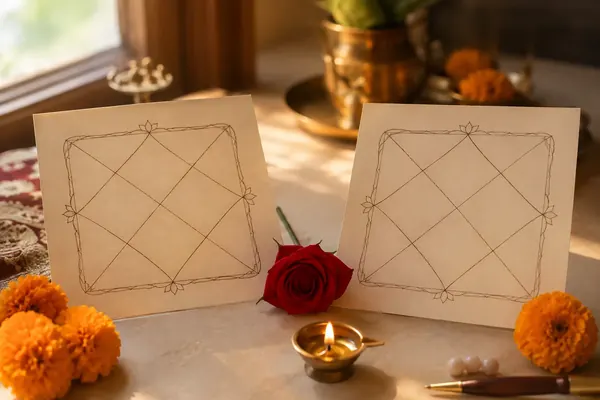
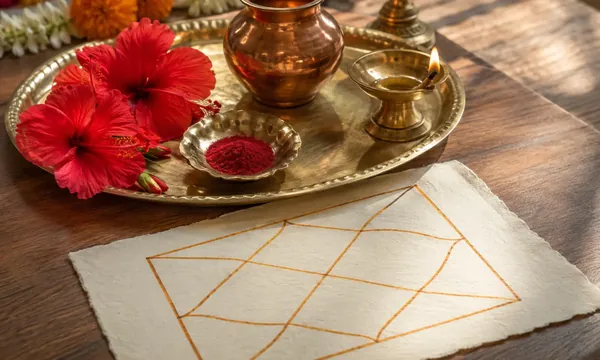
The highlighted section at the top is your 1st house — the house of the body and vitality. Its lord decides your main bead. Your complete chart, with all nine planets scored for bead-worthiness, is in the full report.
Instant premium PDF · secure payment · delivery guaranteed
Ascendant, its lord, Moon-sign lord and all nine planetary strengths — computed, scored 0–100.
The mukhi is a conclusion, not a catalogue pick — lagna-lord bead, mind bead, support bead, each with its chart reason.
Weekday, mantra, milk-soak, thread — and your exact start date with sunrise, Abhijit and Rahu-Kaal in the report.
Your free result above already names the bead, the day and the date — with the WHY from your own chart.
A rudraksha calculator by date of birth that asks only for the date is using the Moon sign or a numerology digit, and both are shortcuts. The classical method reads the lagna: find the planet that is weak, afflicted or ruling a difficult house, and give the mukhi that carries that planet — because rudraksha, unlike a gemstone, can be worn for a planet that is troubling you. This rudraksha calculator by date of birth asks for the time so it can read the lagna, then prints the mukhi with the planet and the reason.
Which mukhi rudraksha should I wear has one honest first answer from any rudraksha calculator by date of birth: five mukhi, if you are not sure. It is Jupiter’s bead, safe for every chart, and it is what most people are actually wearing under a costlier name. Beyond that, which mukhi rudraksha should I wear depends on the planet your chart names — Sun 1 or 12, Moon 2, Mars 3, Mercury 4, Jupiter 5, Venus 6 or 13, Saturn 7 or 14, Rahu 8, Ketu 9. This page prints the planet first and the mukhi second, so you can check the logic.
Rudraksha for each planet — the table every rudraksha calculator by date of birth should print — is scattered across seller pages one bead at a time. The table: Sun — 1 mukhi (rare, mostly fake) or 12 mukhi; Moon — 2 mukhi; Mars — 3 mukhi; Mercury — 4 mukhi; Jupiter — 5 mukhi; Venus — 6 or 13 mukhi; Saturn — 7 or 14 mukhi; Rahu — 8 mukhi; Ketu — 9 mukhi; all nine together — 10 mukhi (Vishnu) or 11 mukhi (Hanuman). Rudraksha for each planet is worn on that planet’s day, and the calculator prints which day is yours.
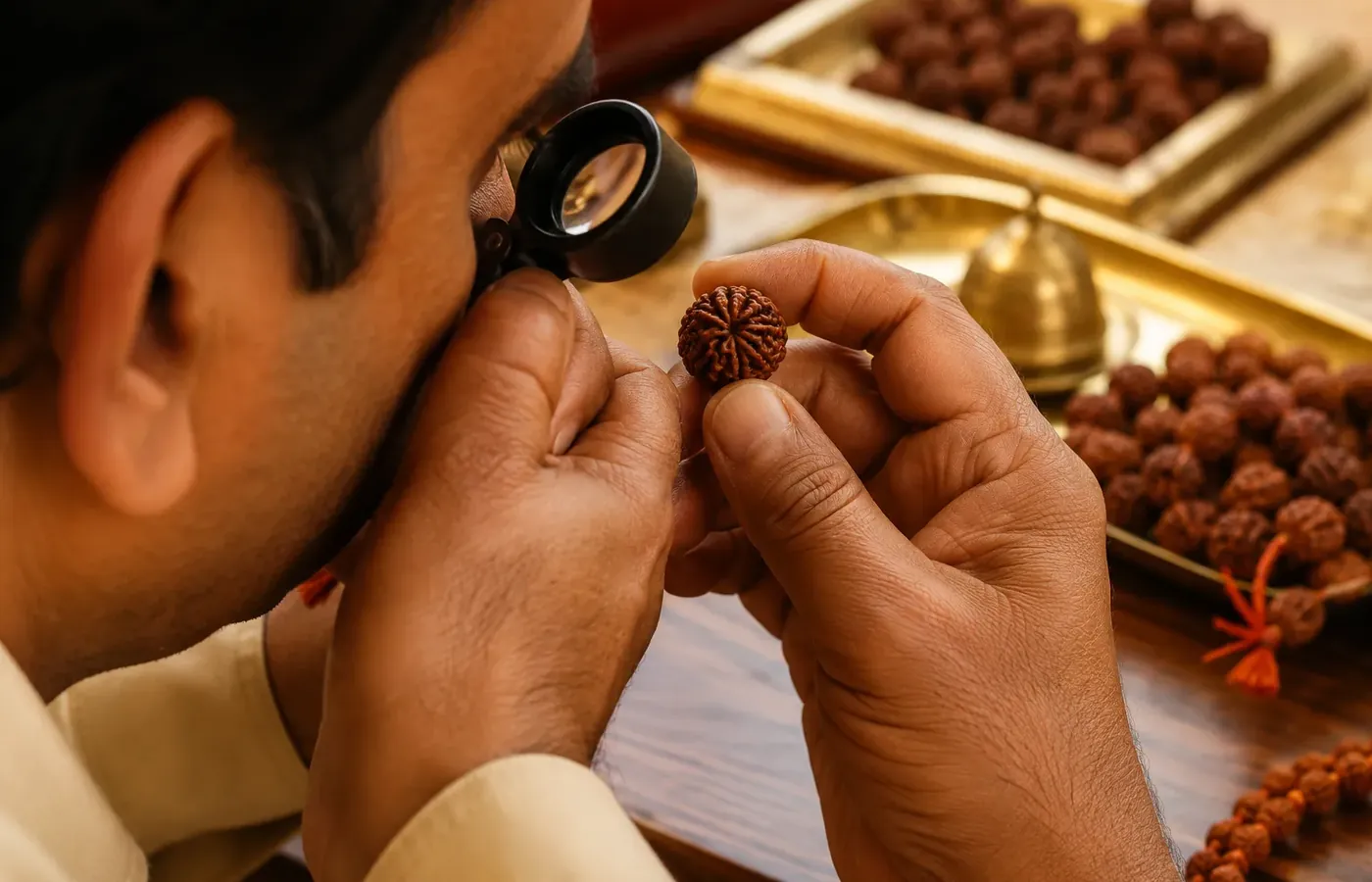
How to identify real rudraksha — the step no rudraksha calculator by date of birth can do for you — comes down to three checks. The mukhi lines must run from the top hole to the bottom without a break and be carved by nature, not a blade — look at them under a phone-camera zoom. The bead should be irregular; a perfect sphere with perfectly even lines is a moulded fake. And an X-ray or a cut cross-section shows the same number of inner seeds as outer lines. The water test — real sinks, fake floats — is the one everyone quotes and it does not work: a dry real bead floats, a wax-filled fake sinks. How to identify real rudraksha also means knowing the price: a natural 1 mukhi is so rare that almost every one sold is a 2 mukhi cut, or a half-bead.
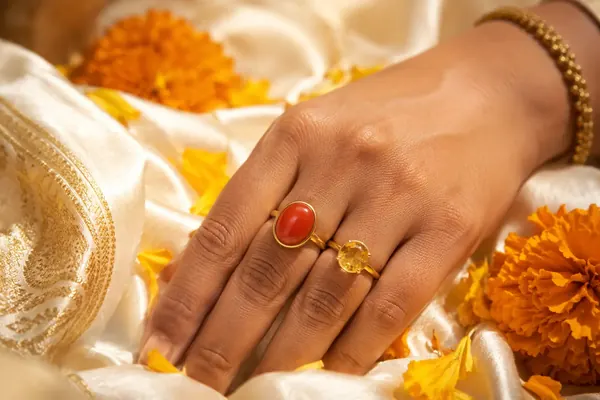
Rudraksha vs gemstone is the question a seller never answers honestly, because the two are sold from different counters. The rule the texts give: a gemstone strengthens a planet, so it is worn for a benefic that is weak; a rudraksha pacifies a planet, so it can be worn for a malefic that is strong or for a planet whose stone is forbidden to your lagna. That is why rudraksha vs gemstone has a clear answer for Saturn: most charts cannot wear Blue Sapphire, and almost every chart can wear 7 mukhi. This rudraksha calculator by date of birth prints both routes for your chart and marks which is the safer one.
Is 5 mukhi rudraksha enough is the question the trade does not want asked. It is Jupiter’s bead, it has no contraindication in any classical text, it costs a few hundred rupees, and it is the one the Shiva Purana names for the householder. A specific mukhi adds a specific planet; it does not replace the five. Is 5 mukhi rudraksha enough — for four charts in five, this rudraksha calculator by date of birth will tell you it is, and print the one case where a second bead is worth adding.
Four factors decide the recommendation, in this order.
1. The ascendant lord. The rising sign governs your body, vitality and overall direction, so its ruling planet supports you as a whole rather than one area of life. This is why its bead is named first, and why the recommendation changes completely if your birth time is wrong.
2. The Moon sign lord. The Moon governs the mind, sleep and emotional steadiness. When it is weak or afflicted, its bead is worn for calm rather than for gain - a distinction most sellers never make.
3. The planets under strain. Dignity (exalted, own sign, friendly, neutral, enemy, debilitated) combined with house placement gives every planet a strength score. The weakest placements are exactly where the tradition gives support.
4. The running dasha lord. A mahadasha brings its planet's themes to the surface, so a bead for the running period is a recognised practice while that period lasts - and only while it lasts.
If a planet in your chart is already exalted or in its own sign, a bead for it changes nothing. You would be supporting something that is already steady, and paying for the privilege.
This report names, planet by planet, which mukhis you can safely skip. That matters more than it sounds: the rare mukhis are pushed hardest precisely because they carry the largest margins, and they are also the ones most often faked. A genuine one-mukhi or fourteen-mukhi bead is rare and expensive; a cheap one is almost certainly something else.
Classical practice is one or two beads chosen for a reason. A long string of assorted mukhis worn together is a retail idea, not an instruction from any text.
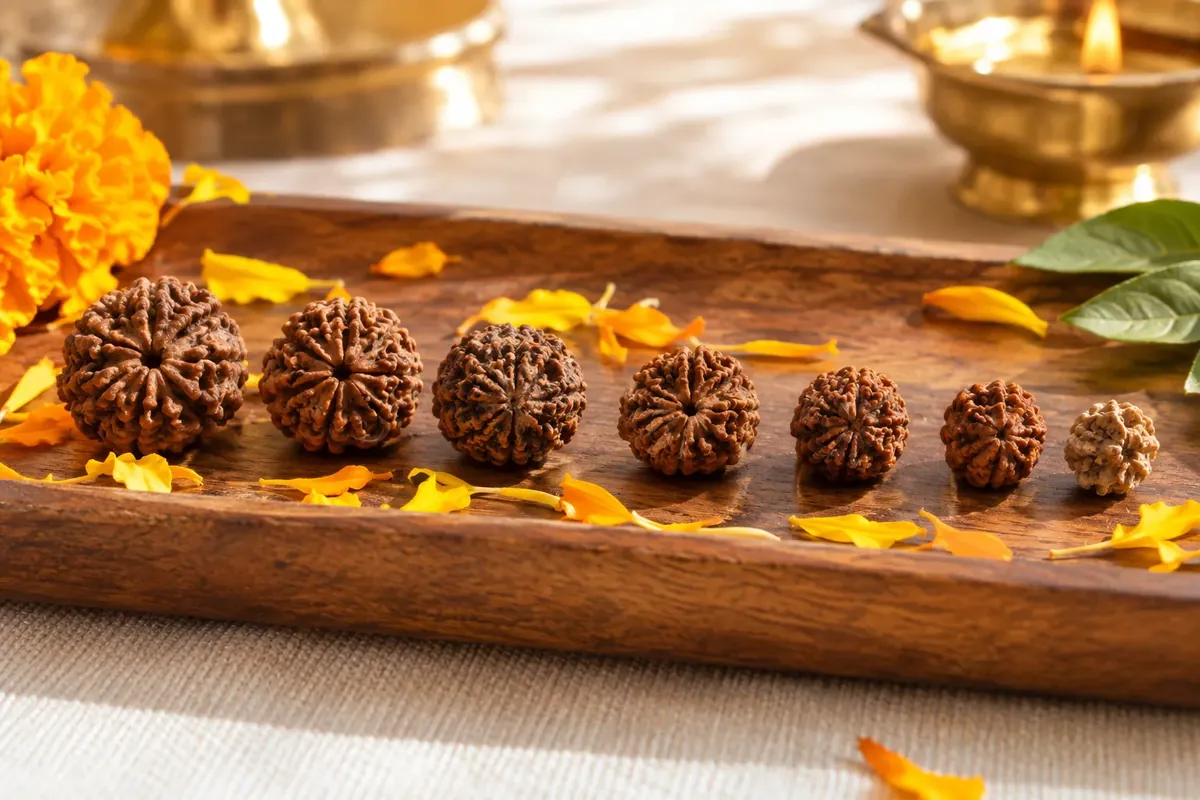
One mukhi (Sun) - authority, clarity of purpose, self-command. Two mukhi (Moon) - steadiness of mind, sleep, harmony at home. Three mukhi (Mars) - release from the weight of past mistakes, courage. Four mukhi (Mercury) - speech, study, analysis, clear communication.
Five mukhi (Jupiter) - general wellbeing and judgement; the one bead classical texts allow universally. Six mukhi (Venus) - focus and creative discipline. Seven mukhi (Saturn) - relief from long delay and financial patience. Eight mukhi (Rahu) - removal of obstacles. Nine mukhi (Ketu) - energy and freedom from fear.
The full report covers one to fourteen mukhi plus Gauri Shankar and Ganesh Rudraksha, and states for each one who it suits and who does not need it - measured against your own chart rather than in general.

The bead is soaked in raw cow's milk overnight, rinsed in clean water and wiped dry. It is then placed before a lamp, and the planet's beeja mantra is chanted 108 times while holding it. It is worn on the weekday of that planet, in the morning after a bath - ideally in the hour after sunrise or during the Abhijit muhurat, avoiding Rahu Kaal.
Thread is entirely acceptable; metal is optional, not required. Keep the bead away from soap and chemicals, and oil it lightly once a month. Nothing here needs a priest - the tradition puts this practice in the wearer's own hands.
The tradition asks for forty days of consistent wearing before judging anything, and what usually changes is steadiness of mind and habit rather than external events. Any page promising more than that is selling.
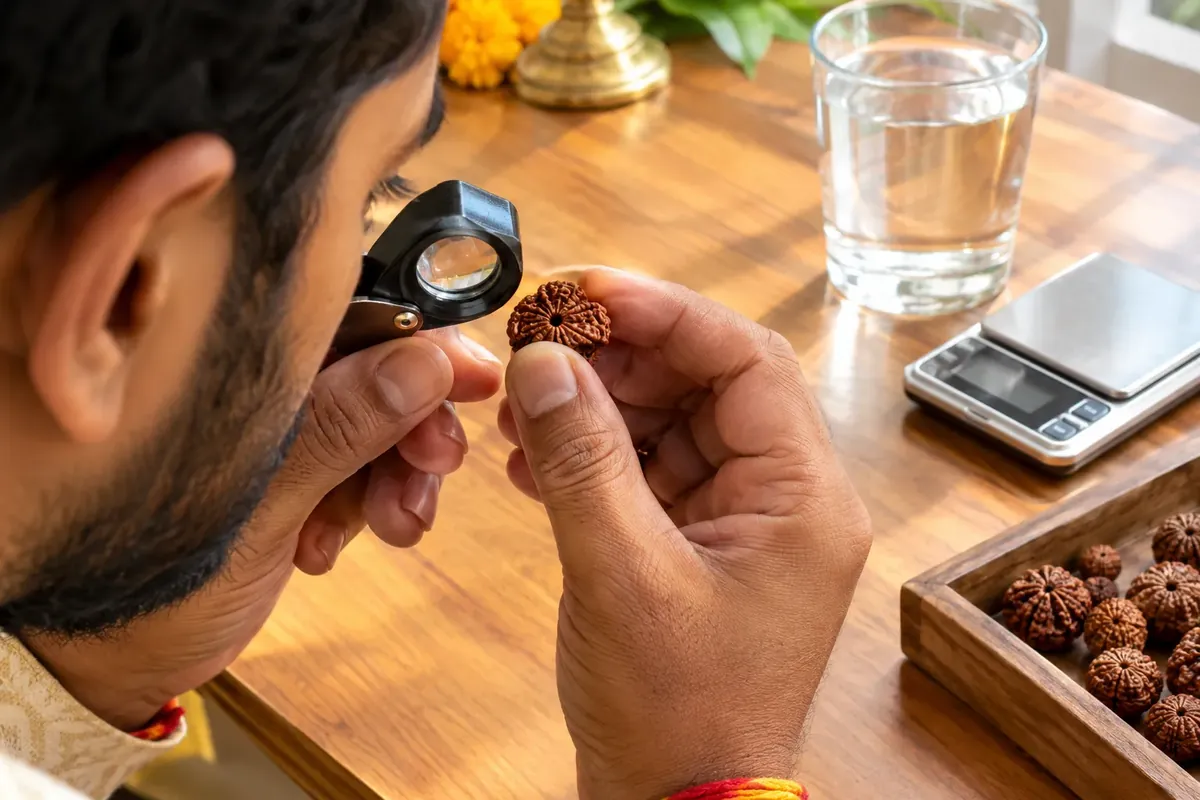
More money is lost to fake beads than to wrong beads, so this is worth reading twice.
Mukhi lines: they must run unbroken from the top hole to the bottom hole. Carved lines stop short, wobble, or look unnaturally even. Count them yourself, in daylight, twice.
Surface: a real bead has irregular thorny ridges. Machine-smooth is a warning sign.
Certificate: a genuine lab report states mukhi count, origin (Nepal or Indonesia), size in millimetres and a verifiable report number. A photo of a stamp is not a certificate.
Price: five mukhi beads are common and inexpensive. A rare mukhi offered cheaply is the warning itself. And ignore the water test entirely - floating or sinking tells you about density and air pockets, not authenticity.
Swiss Ephemeris + Lahiri ayanamsa. Your ascendant and all nine strengths computed from real birth details — never from name or sun-sign.
Planets above 70/100 get NO bead, whatever a seller says. Your result names the beads you do not need — with the score that proves it.
Your chart is recomputed at −20, 0 and +20 minutes. If the recommendation survives all three, the report says so — if not, that too.
Not just “wear on Wednesday” — your exact next start date, and twelve months of alternates if you miss it.
Date, exact time and place — the 1st house needs an accurate time.
Swiss Ephemeris computes your ascendant and its lord, your Moon sign lord and the dignity of all nine planets.
See your free snapshot; unlock ranked fields, dated timing, income band and remedies.
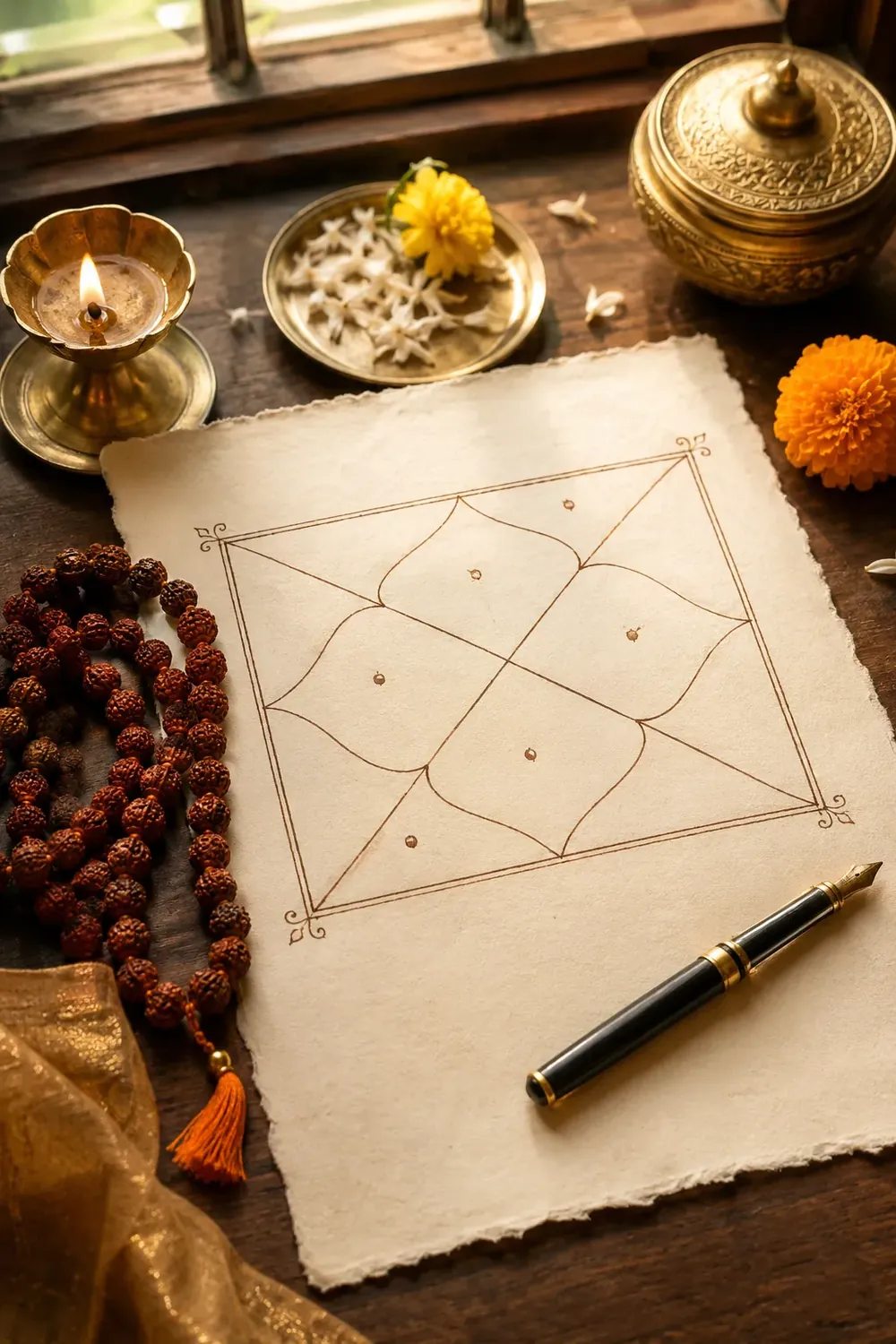 🔒Cover
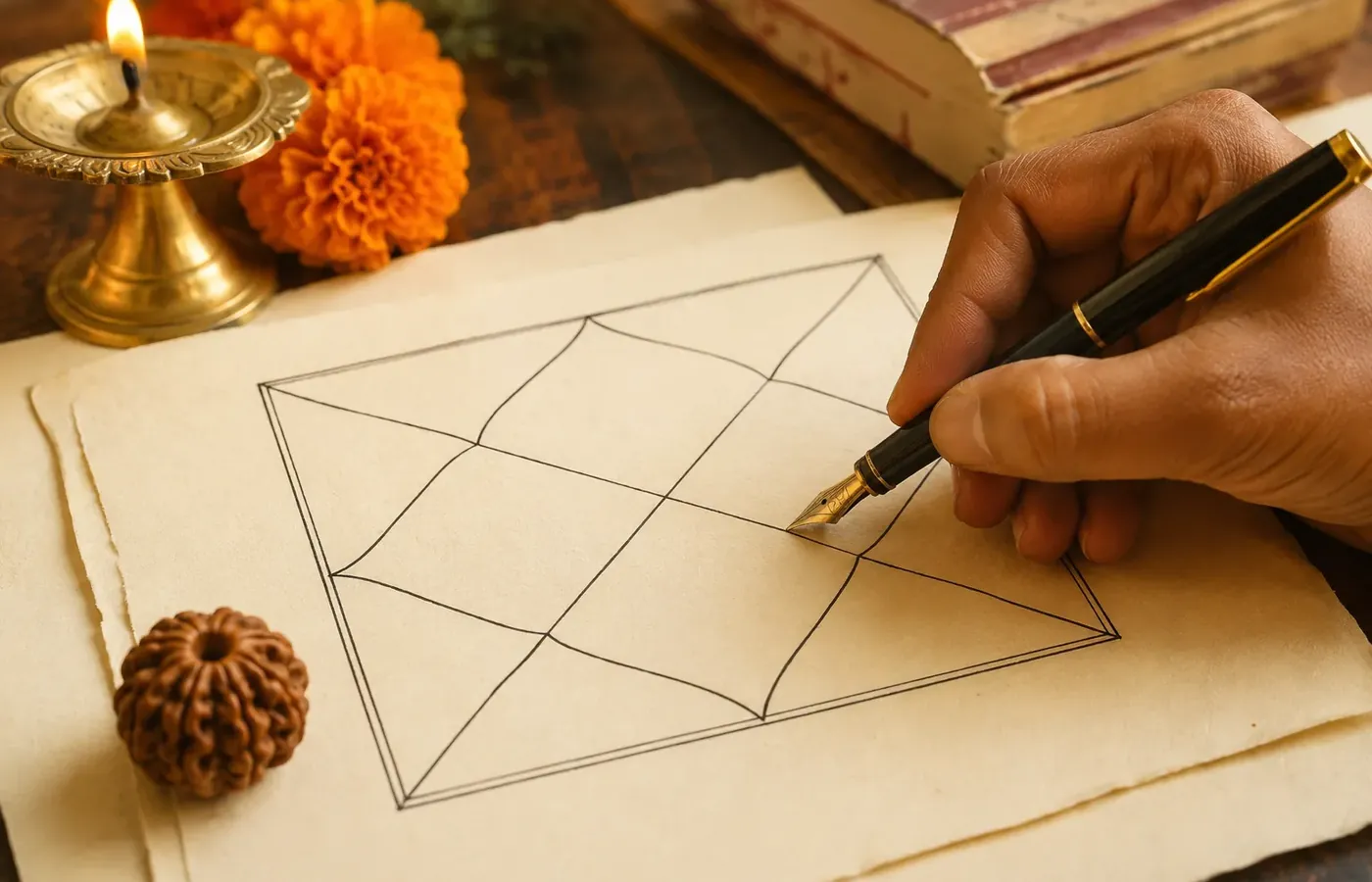 🔒Your Chart
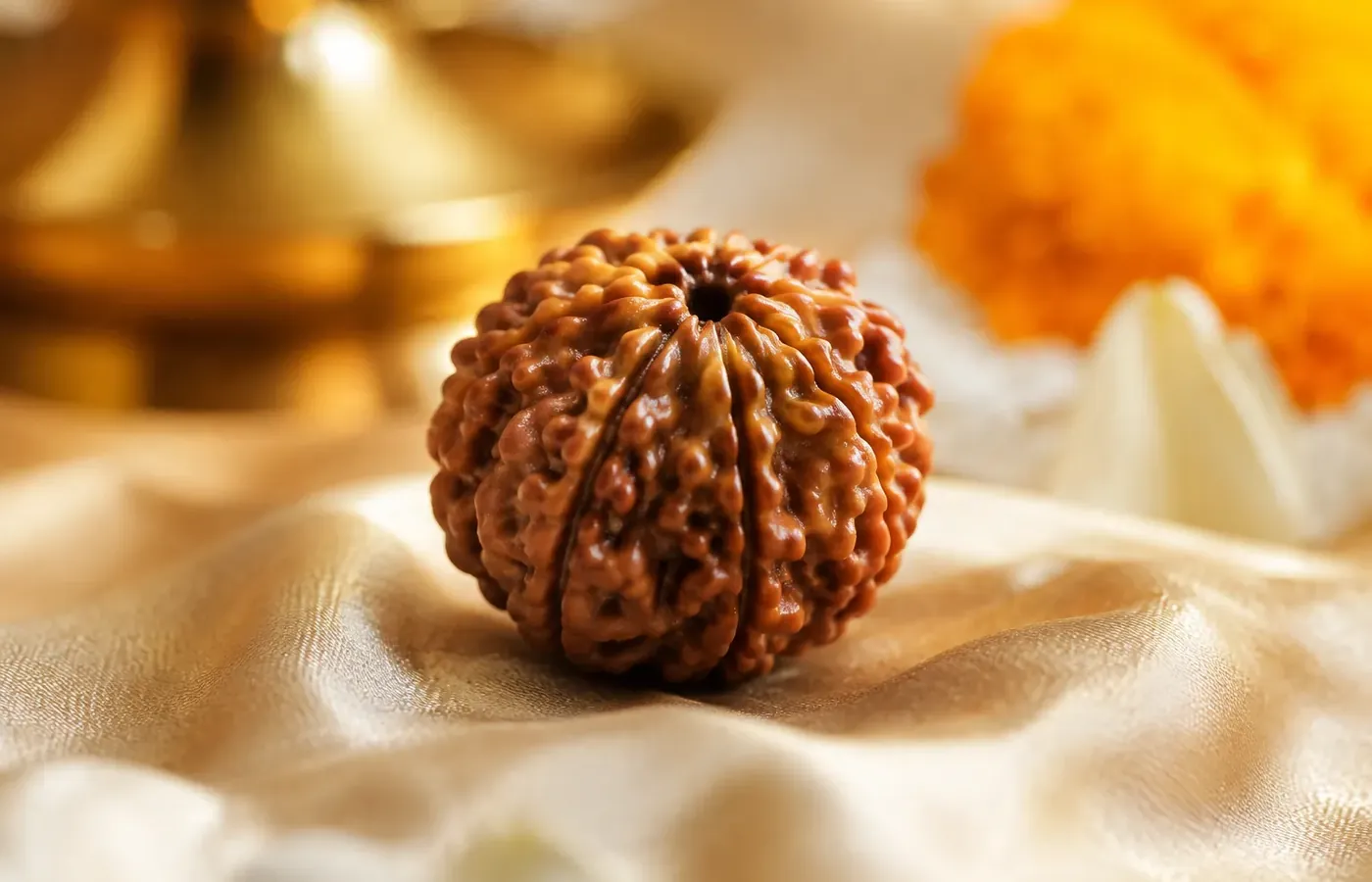 🔒Mukhi Guide
 🔒Wearing Vidhi
 🔒12-Month Dates
 🔒Buying Checks
7 parts, every chapter, the full nine-planet scoring matrix and your prescription certificate — unlocked instantly.
Thirty chapters, every figure computed from your own birth details. Nothing generic, nothing guessed.
Every bead reasoned from your own chart — nothing generic, nothing guessed.
| What you get | Free | Full Report |
|---|---|---|
| Your ascendant, its lord and their computed strength | ✓ | ✓ |
| Your Graha Bead Index | ✓ | ✓ |
| Your recommended bead, named with its planet | ✓ | ✓ |
| All nine planets scored, and the beads you do NOT need | ✓ | ✓ |
| The full scoring matrix - nine planets across eight components | ✗ | ✓ |
| Mukhi guide 1 to 14, plus Gauri Shankar and Ganesh | ✗ | ✓ |
| Head to head - why your bead beat the second option | ✗ | ✓ |
| Birth-time test - your chart recomputed at -20, 0 and +20 minutes | ✗ | ✓ |
| Your exact muhurat: sunrise, Abhijit and Rahu Kaal | ✗ | ✓ |
| Twelve months of wearing dates | ✗ | ✓ |
| Vimshottari periods with your age, and every sub-period | ✗ | ✓ |
| Purchase specification you can hand to a seller | ✗ | ✓ |
| 45-question FAQ answered from your own chart | ✗ | ✓ |
| Prescription certificate with your Report ID | ✗ | ✓ |
| 100-page PDF in English and Hindi, yours to keep | ✗ | ✓ |
Your purchase specification — size, mukhi, origin, price-range — ready to hand any seller, is in the report.
Instant PDF · from ₹99 · the same engine you just used free







Be the first to review this reading.

Every AstroMool reading is generated from your exact birth chart using the Swiss Ephemeris and classical Parashari & Jaimini principles, then reviewed for accuracy — no generic templates, no guesswork. Last updated: September 2026
Enter your date, time and place of birth. The calculator reads your lagna, names the planet that needs pacifying, and prints the mukhi for it with the day to wear it. If you are unsure or the time is unknown, wear 5 mukhi - it is safe for every chart.
Look at the lines under zoom: natural, unbroken from hole to hole, not carved. Check that it is irregular, not a perfect sphere. If it matters, get an X-ray - inner seeds must equal outer lines. Ignore the water test; it fails both ways.
No. AstroMool sells no beads and takes no commission. That is why this page tells most people that 5 mukhi is enough - a seller cannot.
Yes, and for many charts it is the right pairing - the stone for the weak benefic, the bead for the strong malefic. The one rule: do not wear the gemstone of a planet your lagna forbids just because you also wear its rudraksha.
On the planet's day - Monday for 2 mukhi, Tuesday for 3, and so on; Monday for 5 mukhi. Wash in water or milk, hold it while reciting the planet's mantra or Om Namah Shivaya, and wear on a red or black thread or in silver. Remove for sleep only if it is uncomfortable.
Natural round 1 mukhi is almost never on the market. What is sold is a half-moon (kaju) shape from South India, or a 2 mukhi cut. If a seller offers a round 1 mukhi at any price, ask for an X-ray before believing it.
The bead of your ascendant lord is the usual starting point, because that planet governs your body, vitality and overall direction. Your Moon sign lord and any planet under strain are considered next, and the running dasha lord after that. This calculator names the mukhi, the planet it is for, and the chart fact behind it.
Yes. The five mukhi bead is governed by Jupiter and is the one bead classical texts allow universally. If you want to begin with a single bead and nothing else, that is the safe choice.
Beads for planets that are already strong in your chart. Supporting an exalted or own-sign planet adds nothing, and the rarer mukhis are also the most commonly faked. The report names, planet by planet, which beads you can skip.
On the weekday of the planet the bead is for - Sunday for the Sun, Monday for the Moon, Tuesday for Mars, Wednesday for Mercury, Thursday for Jupiter, Friday for Venus and Saturday for Saturn. Wear it in the morning after a bath, ideally in the hour after sunrise or during the Abhijit muhurat, avoiding Rahu Kaal.
No. Soaking the bead in raw milk overnight, rinsing it, placing it before a lamp and chanting the planet's beeja mantra 108 times is done by the wearer. A priest is optional, not required.
Yes. There is no classical prohibition on women wearing Rudraksha. Some families follow their own customs, which is a family matter rather than a scriptural rule.
Check that the mukhi lines run unbroken from the top hole to the bottom hole and that the surface is irregular rather than machine-smooth. Ask for a lab certificate stating mukhi count, origin, size and a verifiable report number. The water test proves nothing - it measures density, not authenticity.
The tradition asks for forty days of consistent wearing. What usually changes is steadiness of mind and habit rather than external events, and any honest reading will tell you the same.
Two at most, and only when each has a reason from your chart. A long string of assorted mukhis is a retail idea, not a classical instruction.
The seven mukhi bead is traditionally associated with Saturn. Whether it is worth wearing depends on your own Saturn - if it is already exalted or in its own sign, this report will tell you it is not a priority.
Nepali beads are larger with deeper, clearly separated mukhi lines and cost more. Indonesian beads are smaller and cheaper. Both are genuine Rudraksha; the difference is size and price, not authenticity.
No. It is a supportive practice within a tradition. Any medical, psychological, legal or financial problem needs the appropriate professional, and this report states that plainly.
Page generated: 20 Sep 2026, 13:06 IST · build cp-2609201306